Where to Stay in Gyeongju: Hwangridan-gil vs Bomun Complex
Choosing between Gyeongju's walkable Hwangridan-gil district and the resort-style Bomun Tourism Complex, based on how you're actually getting around.
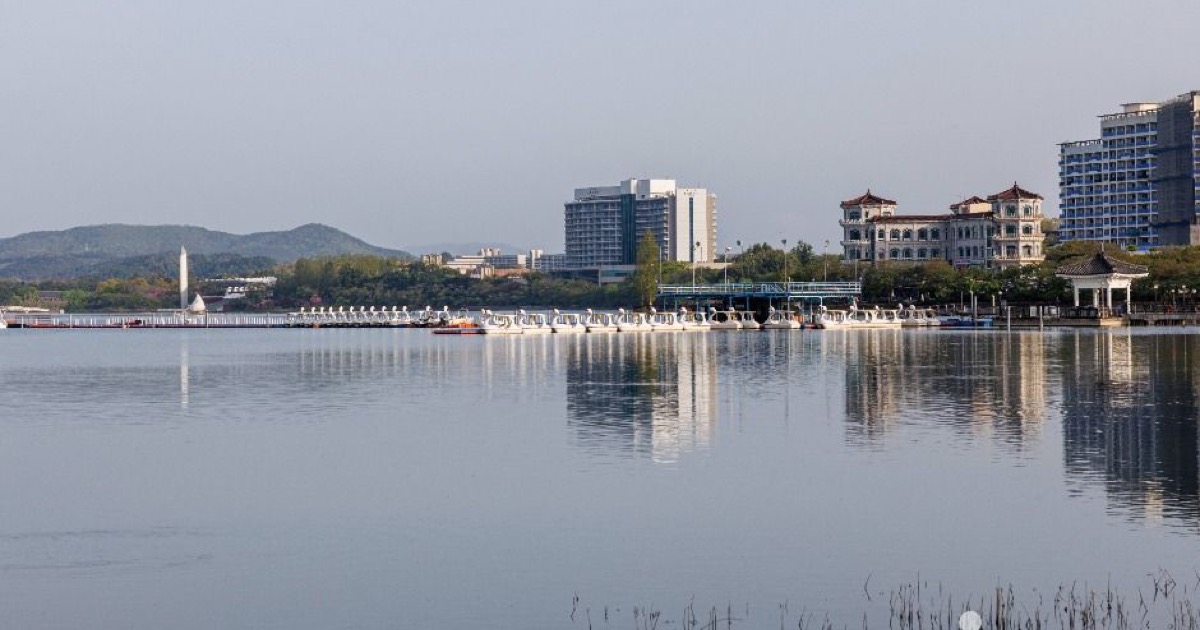
Table of Contents
Gyeongju’s two main lodging areas suit different trips. The right call comes down to whether you have a car and how much you want to walk versus drive between sights.
Hwangridan-gil: the walkable choice
Hwangridan-gil sits close to Gyeongju KTX Station — a direct bus ride away — and puts you within walking distance of Cheomseongdae, Daereungwon, and Woljeonggyo. It also has a genuinely lively evening scene: bakeries, cafes, bars, and restaurants that stay open well into the night. This is the better base if you’re relying on public transit and want to end the day somewhere with options, not just a hotel restaurant.
Bomun Tourism Complex: the resort choice
Bomun is built around lakeside resort hotels — think larger international chains and family-oriented condos — but it sits further from Gyeongju Station, generally needing a bus transfer or taxi to get there, and a car or local bus to move between its own spread-out attractions. Evening dining options are mostly in-house at the hotels, with fewer independent restaurants nearby.
The deciding factor
If you’re traveling by KTX and public transit without a rental car, Hwangridan-gil is the more practical base almost every time — less transit friction, more to do within walking distance after dark. If you have a car and want a quieter, resort-style stay with lake views, Bomun is a reasonable trade-off, especially traveling with kids.
Compare door-to-door travel, not district names
Gyeongju’s KTX station and the historic center are not the same place. Map the complete trip from the station to the exact accommodation, including the stop name, walking segment and late-arrival fallback. A property marketed as “Hwangnidan” can still sit beyond the easiest walking area, while a Bomun hotel may offer a shuttle or taxi arrangement that changes the comparison for your dates.
For each sightseeing day, count how many times you would return to the room. Hwangnidan is usually easier for a midday rest when the plan stays around the historic center. Bomun can be more efficient when the hotel facilities and lake area are destinations themselves. Avoid choosing only by the straight-line distance displayed on a booking platform.
Match the stay to arrival and departure days
An early KTX departure favors a plan with a verified station route and enough taxi or bus buffer. A late arrival favors a property with confirmed reception hours and a realistic last-mile option. Ask the accommodation about luggage storage before check-in and after checkout rather than assuming it is included.
If the trip is only one day, changing hotels may create more work than it saves. Use Koursea’s Gyeongju KTX one-day timeline to test whether the historic sights fit without an overnight stay. For a longer stay, compare one base against the actual daily routes before considering a split stay.
For the historic district’s own attractions, cafes, and hanbok rental spots, see Koursea’s Hwangridan-gil hanok cafes and hanbok rental guide.
Compare the two areas with your actual itinerary
Write down the first and last stop of each day before choosing a hotel. Hwangnidan works best when the historic-center sights and independent restaurants are the priority. Bomun works better when the resort itself, lake area or car access is part of the plan. Neither label guarantees that every hotel is close to the place you want, so check the exact address and route rather than the neighborhood name alone.
The Korea Tourism Organization describes Bomun Tourist Complex as a lake-centered tourism area east of central Gyeongju with accommodation and leisure facilities. Its official shopping guide places Hwangnidan near Daereungwon and other historic-center attractions. Those descriptions support the broad comparison, but current bus frequency and individual hotel services must be checked separately.
Booking checklist
- Map the hotel to your arrival station and first attraction.
- Confirm check-in, luggage storage and parking directly.
- Check the last return route if you plan an evening outside the area.
- Compare room cancellation terms, not only the nightly rate.
- Recheck attraction and restaurant hours for the dates of your stay.